



GDC Festival of Gaming, on behalf of Appcharge, ran an online survey among active GDC users from January 19 to February 25, 2026.
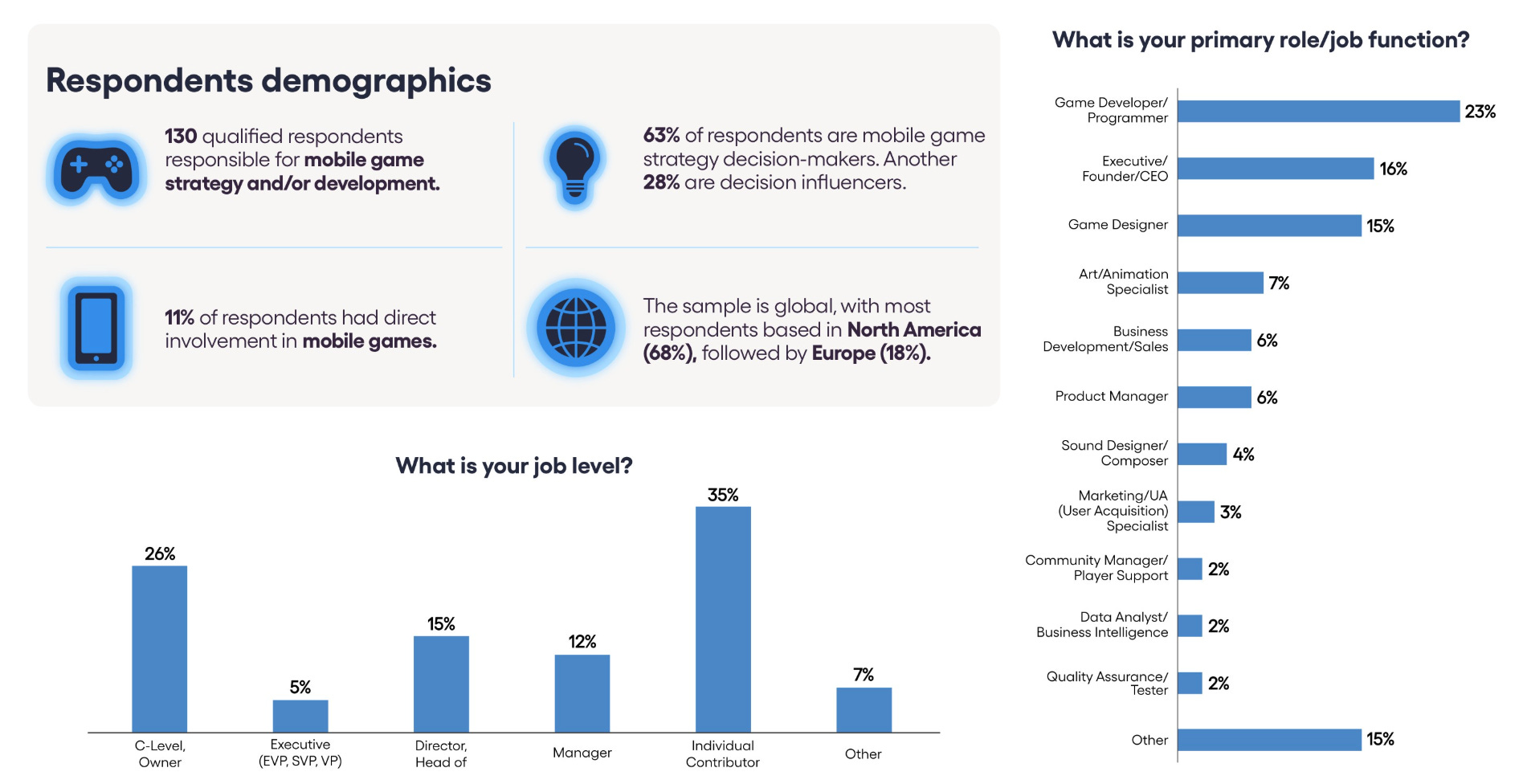
In total, 1,206 completed responses were collected. From these, 281 respondents were selected who (1) are directly involved in strategic planning or decision-making, (2) hold a manager-level position or above, and (3) reported on their company’s progress with DTC. Of this group, 130 respondents work in mobile games.
❗️Despite the bold headline, I don’t see strong evidence that the D2C market has actually reached $17 billion. The methodology for how this number appeared is debatable.
How studios feel about D2C
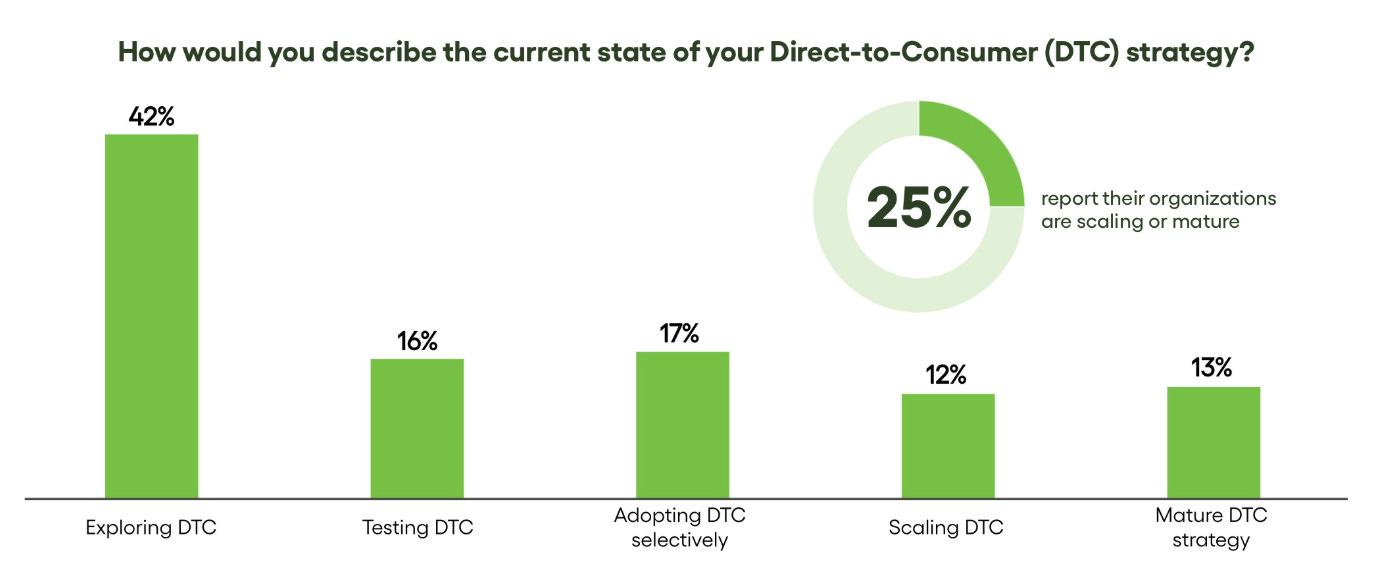
Most companies are still exploring D2C (42%) or testing it (16%); only 25% report that their channel is scaling or already mature.
One in four respondents said their company increased investment in D2C. But most (52%) haven’t yet adapted their monetization strategy for direct payments at all.
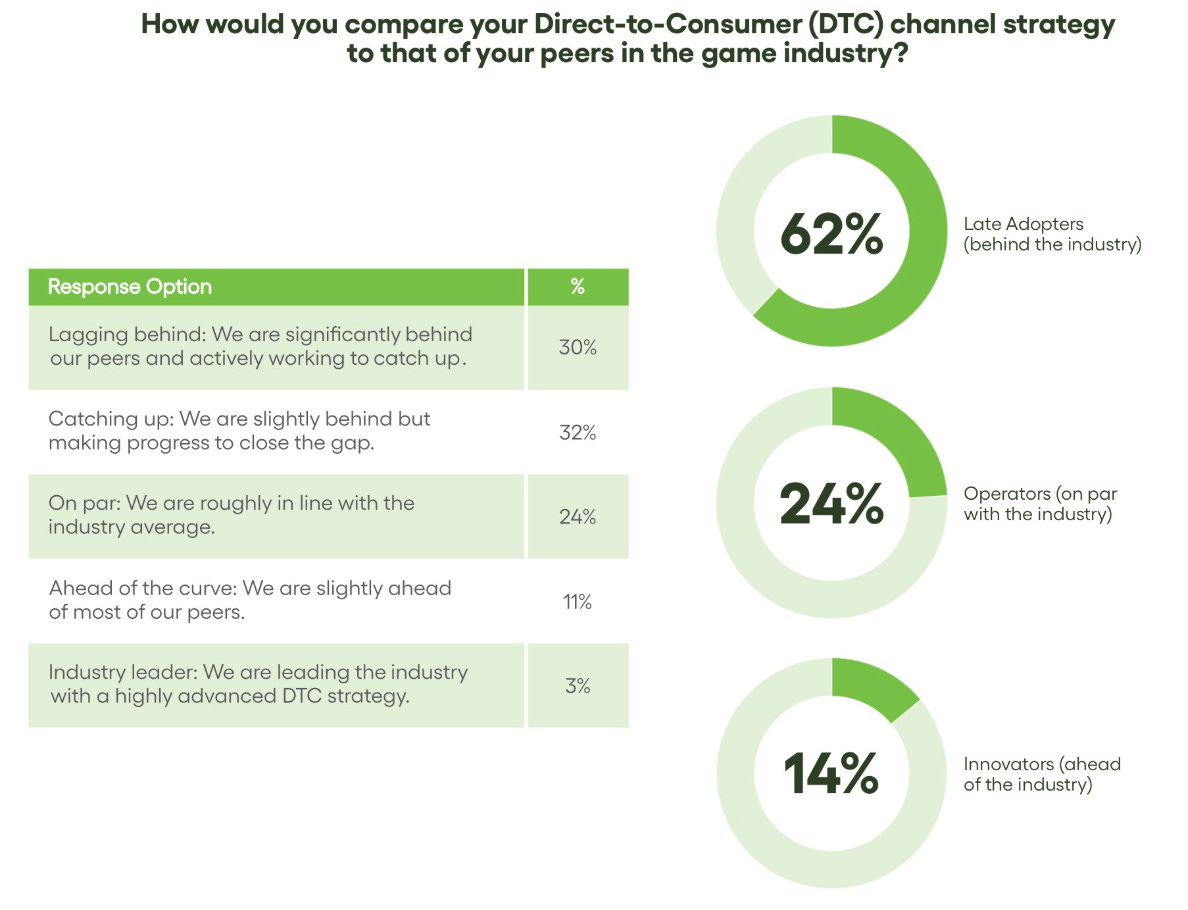
62% of respondents consider themselves behind the industry on DTC strategy, 24% think they’re on par with the market, and only 14% believe they’re ahead.
A word from our sponsor

Still paying for impressions and clicks that never convert? Advertise your PC game with PWN Games! With our CPA model, you only pay when a player installs, engages, or pays. 250+ PC games promoted, 42M+ players acquired, 10 years in the business. Trusted by top PC game publishers worldwide.
How direct payments affect revenue
The report claims D2C channels deliver incremental revenue growth of 15-35%, depending on how mature a studio’s setup is.
❗️Newzoo estimated the game market’s IAP revenue at $113.3 billion in 2025, and the $17B D2C market estimate rests on assumptions about how incremental that D2C revenue actually is.
I had a lot of conversations with the industry about this topic, and working at a pretty big mobile company myself, I've never heard of such incremental revenue numbers. In the vast majority of cases, it’s higher-margin revenue, yes, but not new revenue.
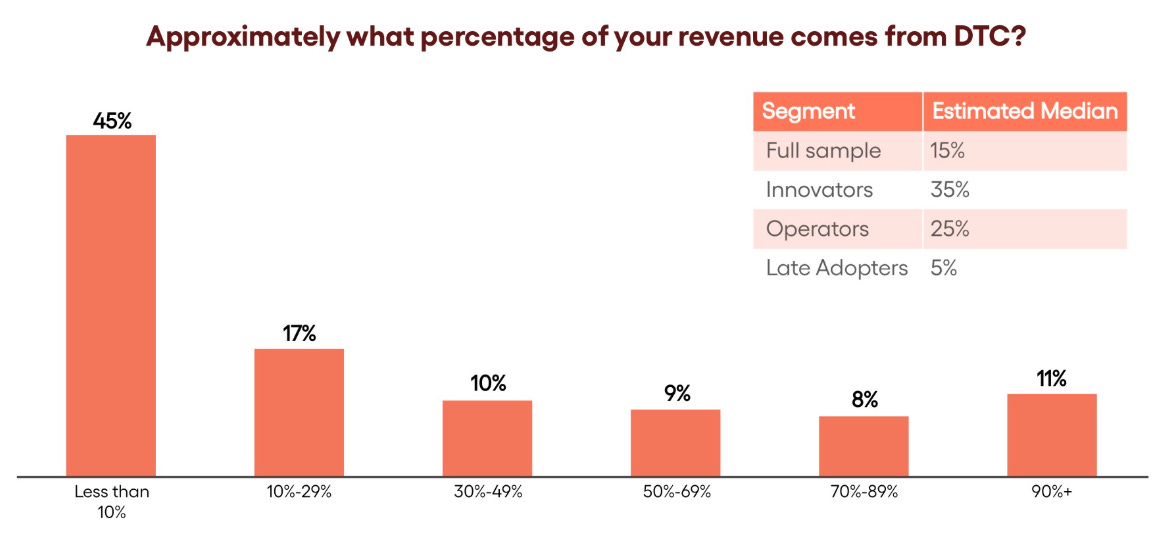
At the same time, 45% of respondents say D2C channels account for less than 10% of total revenue. According to the survey, 28% of companies get more than 50% of revenue from D2C — and that number raises some questions of its own, to put it mildly.
💭 Dekel Akela, CEO of Playstudios’ Slots division, said Appcharge Payment Links helped MGM Slots Live capture 39% incremental revenue. D2C’s share reached 60% of total revenue.
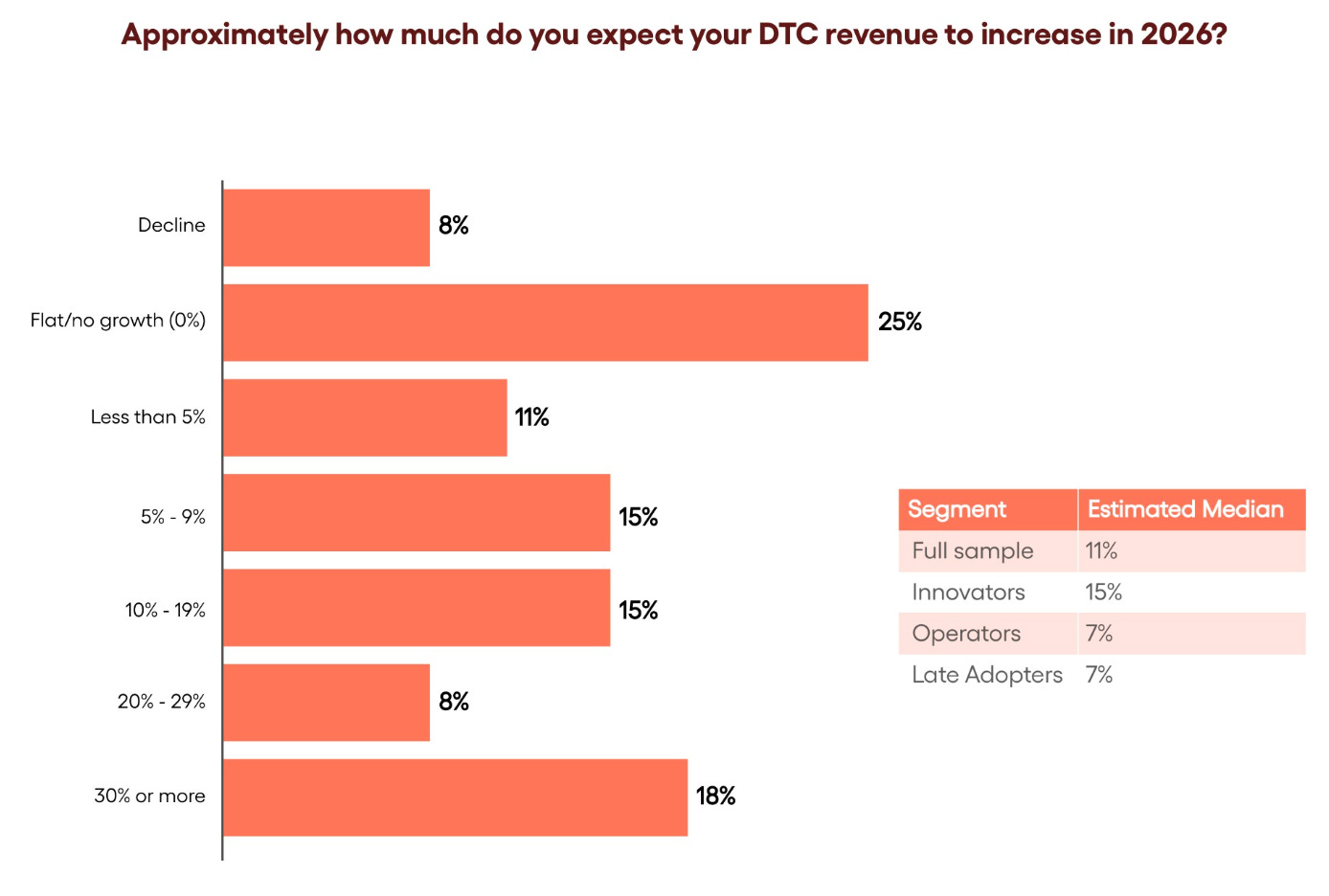
The largest group (25% of respondents) doesn’t expect D2C revenue to grow at all in 2026. 18% expect growth of 30% or more. But most respondents expect moderate growth.
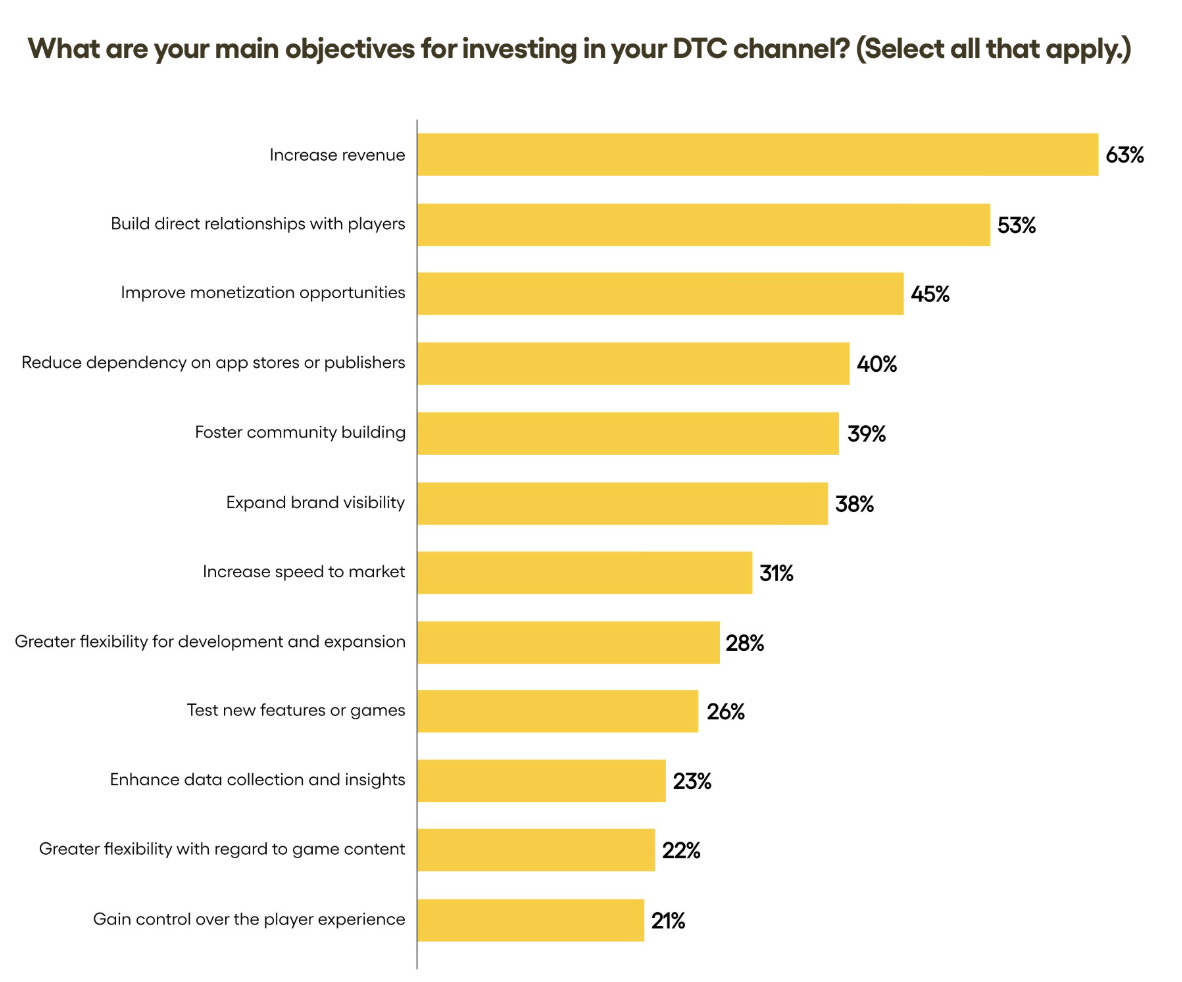
Companies’ main goals around D2C are: revenue growth (63%), building direct relationships with players (53%), improving monetization (45%), reducing dependence on stores (40%), and community building (39%).
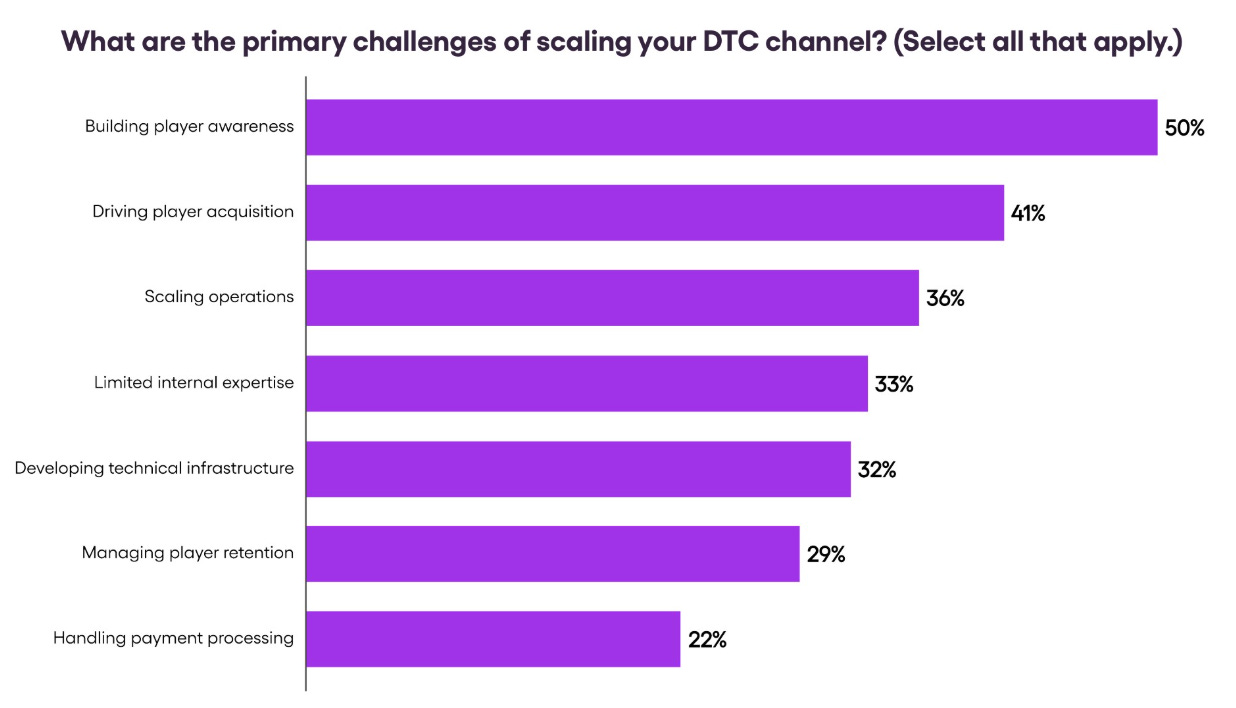
The biggest challenges with D2C payments are: player awareness (50%), player acquisition (41%), scaling (36%), and lack of internal expertise (33%).
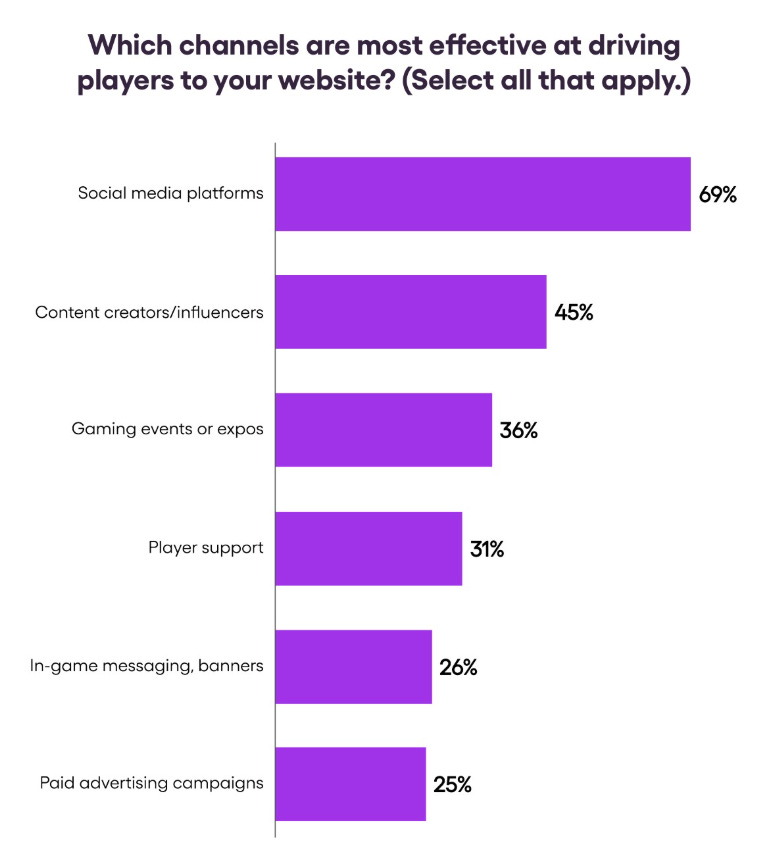
The most effective channels for driving players to D2C are social media (69%), influencers (45%), and gaming events (36%).
How teams operate their payments
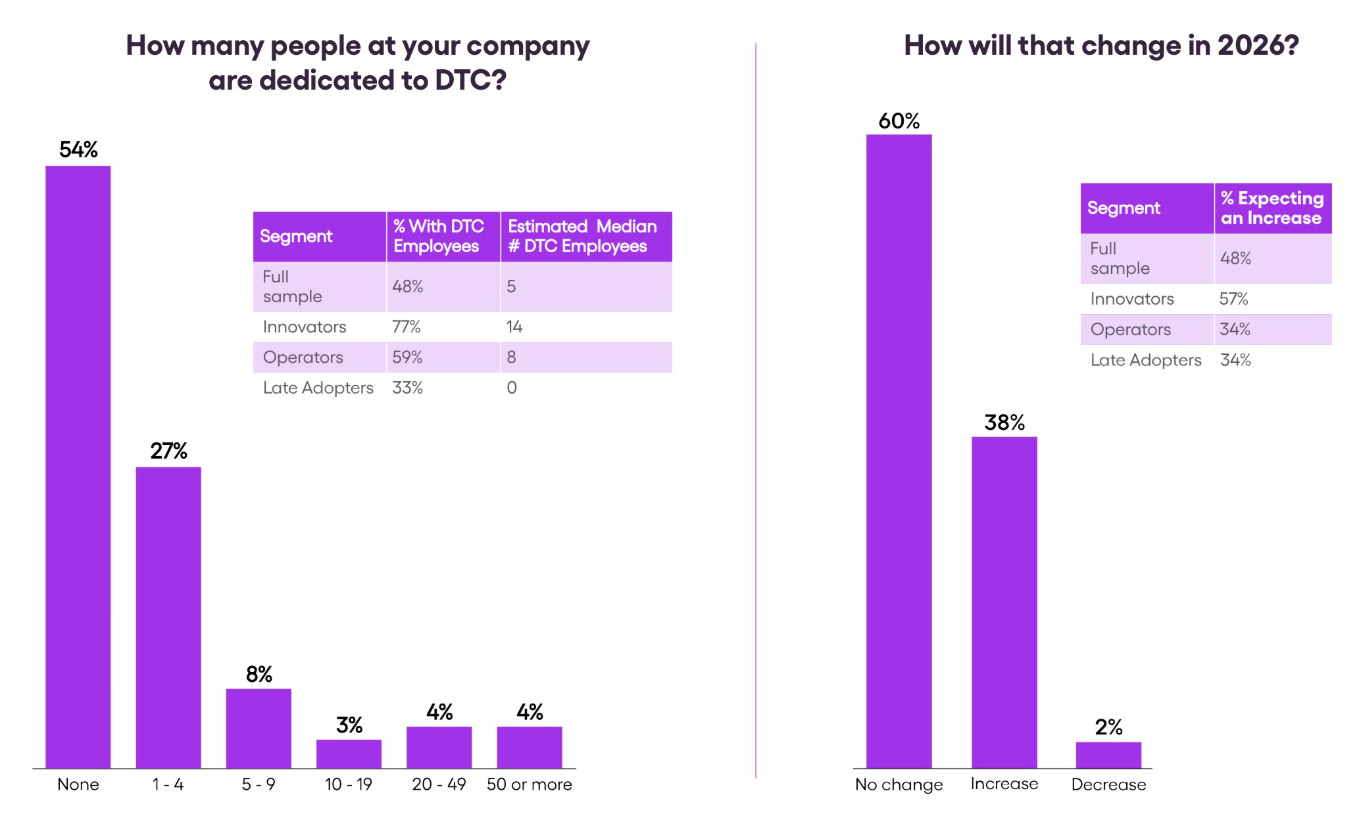
54% of companies still don’t have dedicated staff for D2C. Among the most advanced (11%), there are more than 10 people. But that’s a rarity.
60% of companies don’t plan to change headcount on D2C payments in 2026. 38% plan to increase it, 2% plan to decrease it.
83% of companies place D2C responsibility at the director level or above, 43% at the C-level.
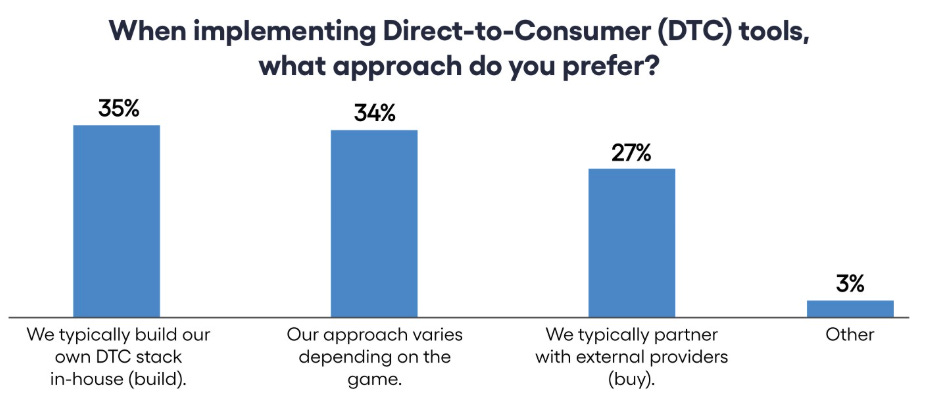
35% of respondents build D2C payments in-house. The rest either take a project-by-project approach (34%) or prefer working with external partners (27%).